By United Way Rock River Valley
You already know the words. That’s the whole point.
Nursery rhymes have been around for centuries, and it turns out that’s not by accident. What looks like a simple bedtime routine or a silly song in the car is actually one of the most effective early literacy tools available, and it costs nothing.
United Way Rock River Valley works every day toward a bold goal: 75% of Winnebago County third-graders reading at grade level or above by 2034. A big goal like that doesn’t start in third grade. It starts at birth, with things like Twinkle Twinkle and The Wheels on the Bus.
Here’s why it matters — and what you can do about it starting today.
The Brain Science Behind Silly Songs
When children hear and repeat nursery rhymes, they’re building phonological awareness — the ability to recognize and manipulate the individual sounds in language. This is widely considered the single most important foundational skill for learning to read.
Rhymes work because they make the sound structure of language audible. When a child hears “Jack and Jill went up the hill” and then “to fetch a pail of water“… wait, that doesn’t rhyme. They notice. That noticing is their brain doing exactly what it needs to do.
Research has found that children who know eight nursery rhymes by age 4 are typically among the strongest readers in their class by age 8. Eight rhymes. You probably already know more than eight.
What’s Actually Happening When You Sing Together
The benefits go well beyond reading readiness:
- Language development. Songs expose kids to vocabulary they might not encounter in everyday conversation. Even nonsense words in rhymes (“hickory dickory dock”) help children tune into the rhythm and patterns of language.
- Early speech. Hearing words set to rhythm and melody can encourage children to start talking sooner. The repetition gives them a safe structure to mimic and practice.
- Bonding and emotional security. Nursery rhymes involve eye contact, touch, and consistent repetition — all elements that build secure attachment. The sense of safety that comes from a predictable lullaby supports healthy emotional development.
- Better sleep. Lullabies aren’t just tradition. There’s clinical support for the idea that a consistent bedtime rhyme helps babies and toddlers calm their nervous systems and settle into sleep.
- Faster overall brain development. Exposure to rhythm, pitch, and pattern in early childhood supports neural development across multiple domains — not just language.
You Don’t Have to Be a Good Singer
This comes up a lot, and the answer is simple: it doesn’t matter.
Children aren’t listening for pitch or performance. They’re listening for pattern, repetition, and connection. A slightly off-key version of Itsy Bitsy Spider from a parent who loves them does more cognitive and emotional work than any perfectly recorded children’s album.
The research doesn’t grade on a curve for vocal ability. Show up and sing. That’s it.
One Simple Technique to Try Today
Sing any nursery rhyme you know. As you get close to the end of a line, slow down — and pause right before the last word. Wait. Let your child fill it in.
That small moment of pause is doing something important. It’s signaling to their brain that they’re an active participant in language, not just a listener. Over time, this kind of interactive reading and recitation builds the predictive processing skills that underpin fluent reading.
You can also try:
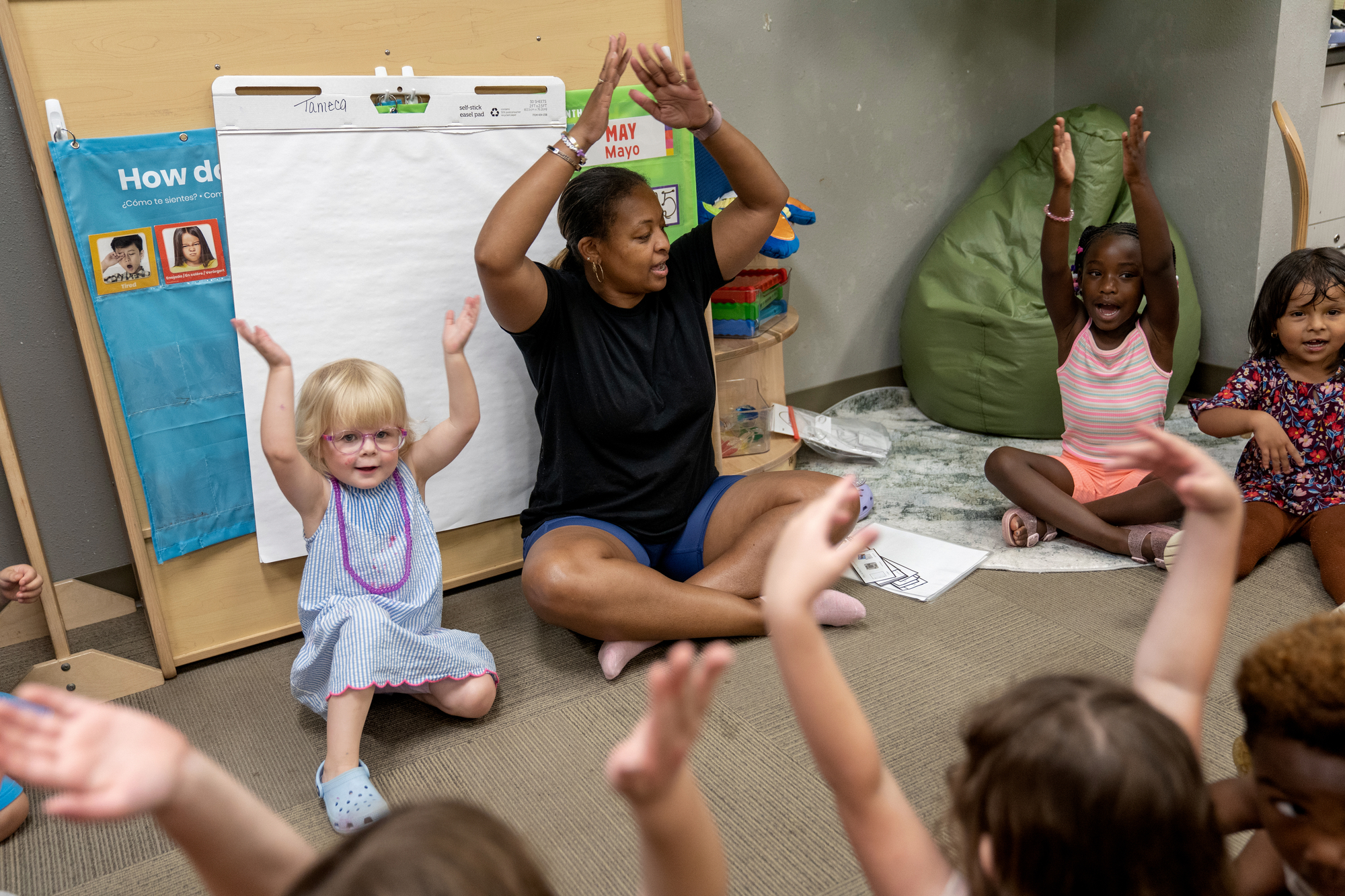
- Exaggerated gestures and facial expressions to match the words
- Letting your child choose: “Clap hands or stomp feet?”
- Starting young — even infants benefit from hearing rhythmic language
The Goal Is Simple: 8 Rhymes by Age 4
Pick eight. That’s the target. Some easy ones to start with:
- Twinkle Twinkle Little Star
- The Itsy Bitsy Spider
- Wheels on the Bus
- Humpty Dumpty
- Jack and Jill
- Row Row Row Your Boatome
- Baa Baa Black Sheep
- Mary Had a Little Lamb
Chances are, you already know most of these. So does your child’s brain — it’s just waiting for you to start.
Download: Why Nursery Rhymes Matter PDF
About United Way Rock River Valley
United Way Rock River Valley has served Winnebago County, Illinois for over 100 years. Their Bold Goal:
75% of Winnebago County third-graders reading at grade level or above by 2034. Learn more about their literacy programs and free resources for families at unitedwayrrv.org.